by andrew | Oct 23, 2026 | Blog
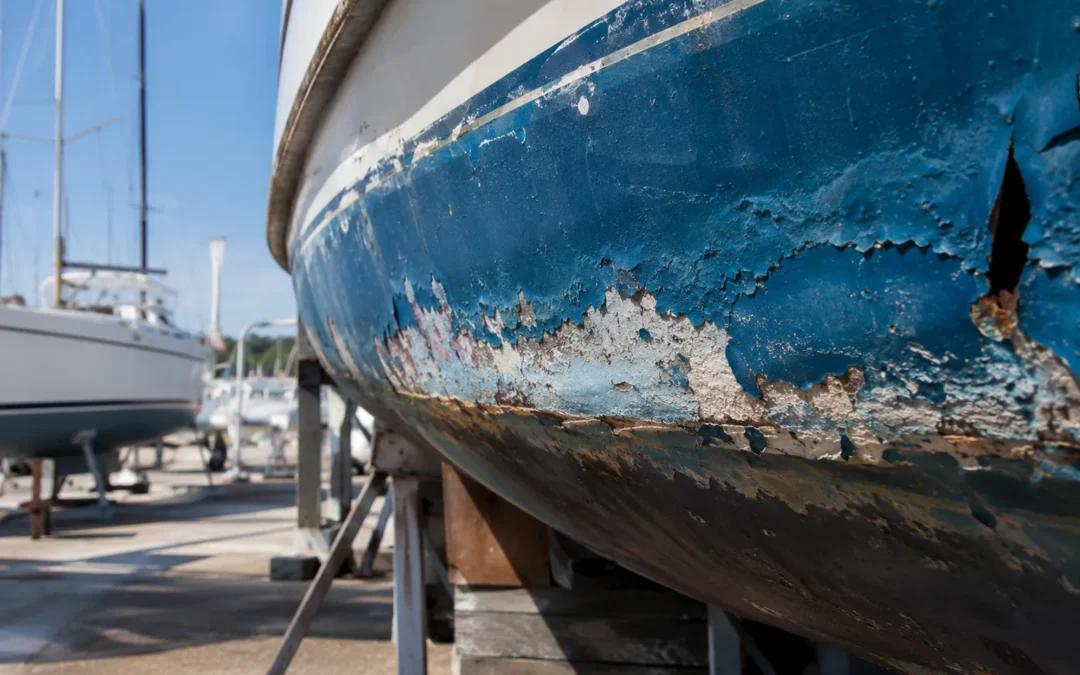
Marine paint does more than improve appearance. Its main job is to protect steel from: water salt humidity chemicals abrasion corrosion When a coating system fails, the steel underneath can become exposed. That can lead to: rust pitting steel wastage recurring...
by andrew | Oct 23, 2026 | Blog
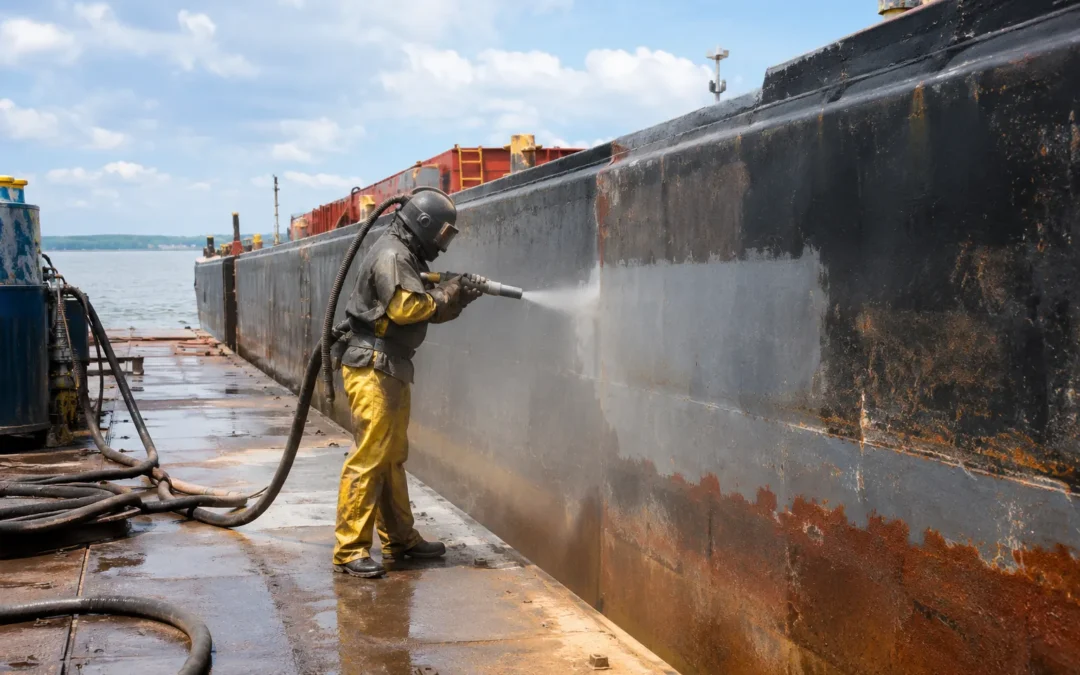
No single painting schedule applies to every barge. Some coating systems may remain in good condition for years. Others may deteriorate much sooner because of: operating environment saltwater exposure abrasion impact cargo surface preparation coating quality previous...
by andrew | Oct 22, 2026 | Blog
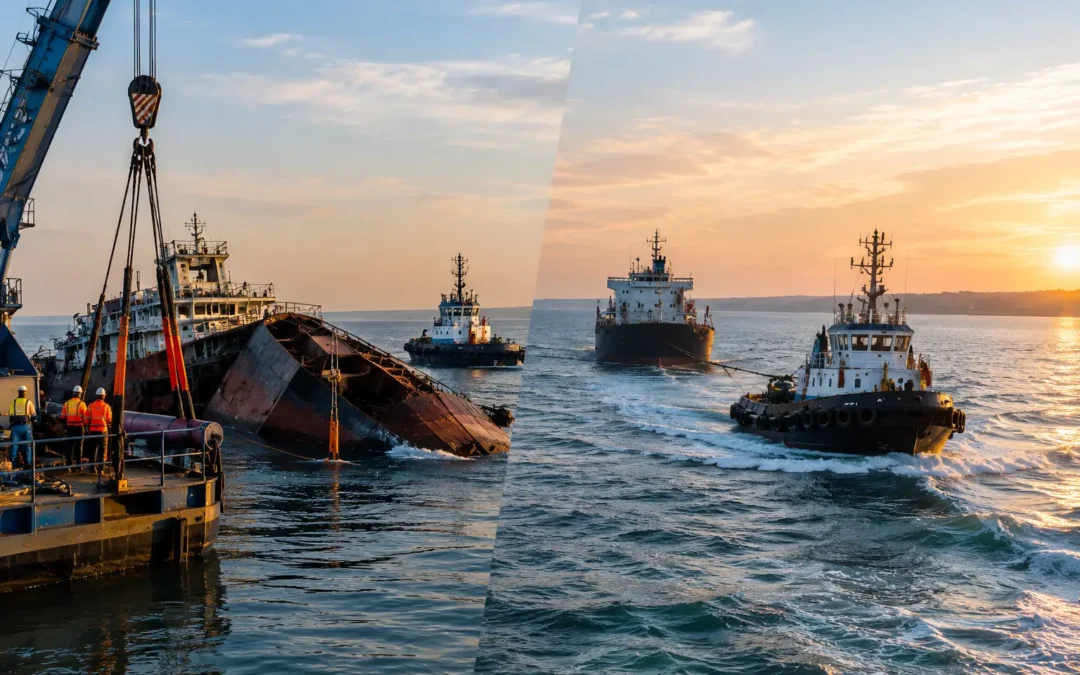
When a commercial vessel is disabled, damaged, or stranded, the first question is often: Do we need a tow, or do we need marine salvage? The two services can overlap, but they are not the same. In simple terms: Marine towing primarily moves a vessel from one location...
by andrew | Oct 21, 2026 | Blog
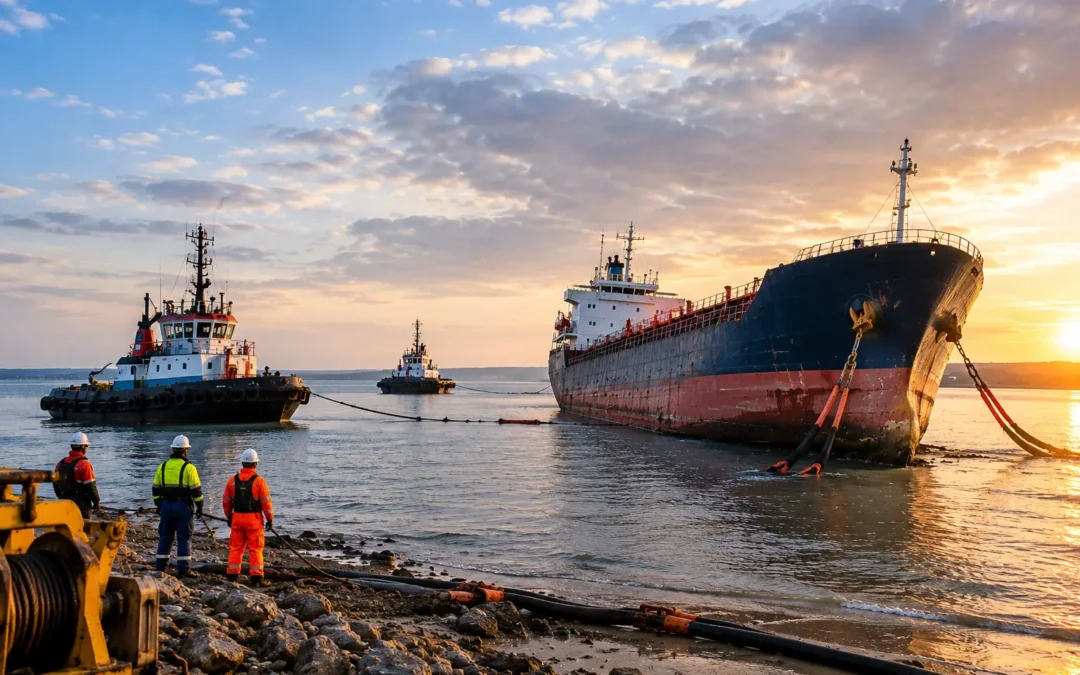
When a vessel runs aground, getting it free is rarely as simple as attaching a tug and pulling. A grounded vessel may rest unevenly, carry cargo, take on water or experience structural stress. Bottom conditions, tide, current, weather and hull condition can all affect...
by andrew | Oct 21, 2026 | Blog
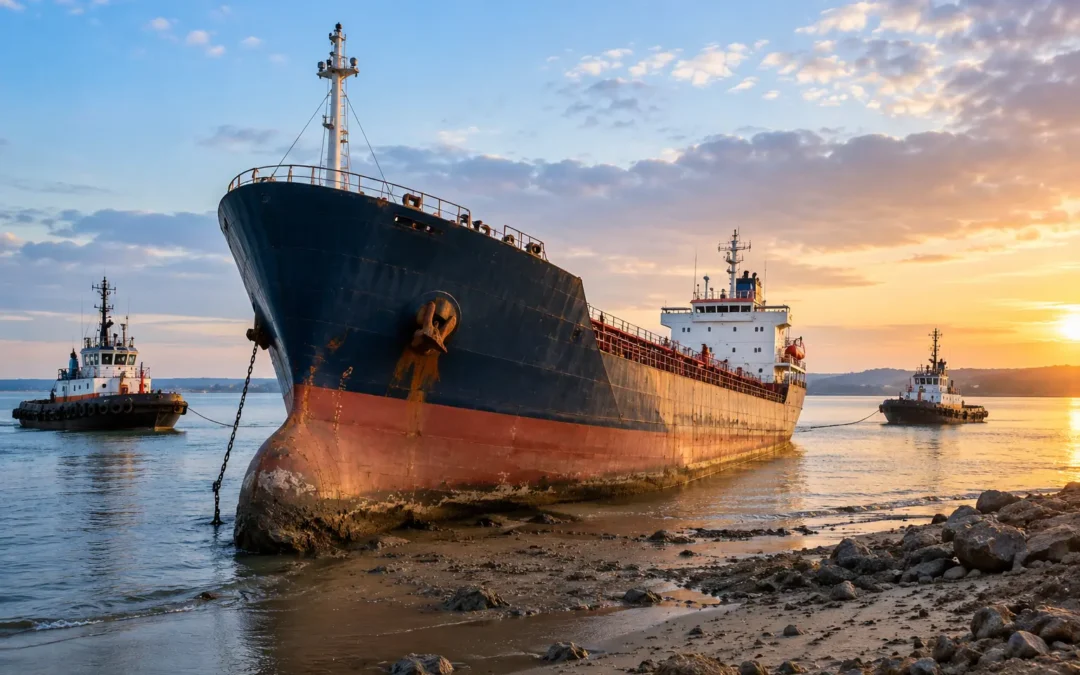
When a vessel runs aground, the first few decisions matter. Grounding can range from a relatively minor contact with the bottom to a serious incident involving hull damage, flooding, structural stress, cargo risk, or environmental concerns. The immediate temptation...
by andrew | Oct 21, 2026 | Blog
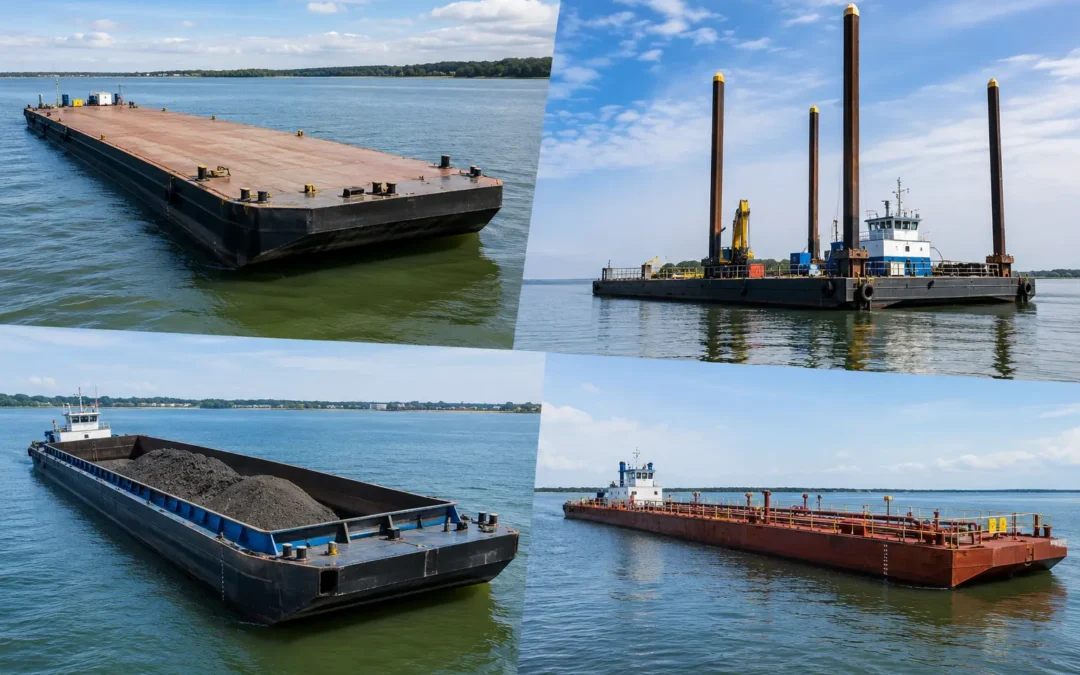
Not all barges are built for the same job. Some are designed to carry heavy equipment. Others are used for dredging, construction, bulk material transport, marine projects or specialized industrial operations. For operators planning a new vessel, understanding the...